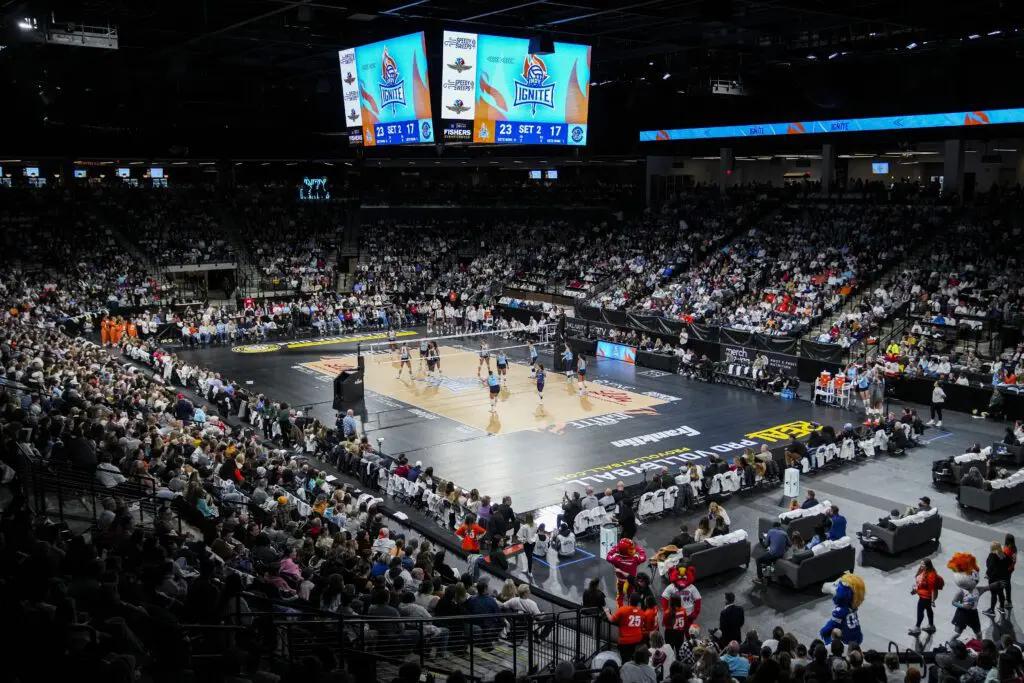
Could Missed Serves Be the Secret to Victory?
Imagine this: It's match point, your team is down, and you need to pull off a miracle. Do you play it safe and gently float the ball over the net, hoping the other team messes up? Or do you grip it, rip it, and aim for an ace, knowing it's a high-risk, high-reward play? In college volleyball, the latter is the move of champions. Missed serves are misunderstood heroes.
In 2020, the elite NCAA women's Division I Sweet 16 teams missed about 8-11% of their serves throughout the season. Yes, you read that right: the teams that were still standing deep into tournament play were missing serves. But why would top-tier programs tolerate such errors? Because the pay-off is worth it. The Gold Medal Squared data tells us that a 10% miss rate is the sweet spot for aggressive serving, a calculated risk that can disrupt an opponent's rhythm and lower their side-out efficiency.
What Happens When a Team Misses the Mark?
Think about this: What's more demoralizing for the opposing team than a perfectly placed ace? It's the constant pressure and chaos caused by aggressive serves. When teams like Louisville and Texas are on the receiving end, opponents miss serves at shocking rates, around 12% and 11.7% respectively. Why? Because fear of a high-powered offense compels even the strongest teams to over-serve, resulting in more errors.
The data from 2021 shows that teams facing these offensive juggernauts had an average win percentage of 69%, while those who didn’t draw as many missed serves only managed about 39%. Missed serves, in this context, aren’t just errors, they’re psychological warfare.
Are We Misjudging the Value of an Error?
Let’s get one thing straight: not all missed serves are created equal. Many broadcasts and scoreboards love to scream “MISSED SERVES” in bold letters every time a ball sails out of bounds. But this narrative overlooks a crucial aspect: the quality of the opponent's reception. Aggressive serving increases the chances of forcing an opponent out of system, and that disruption is what coaches like those at Gold Medal Squared are banking on.