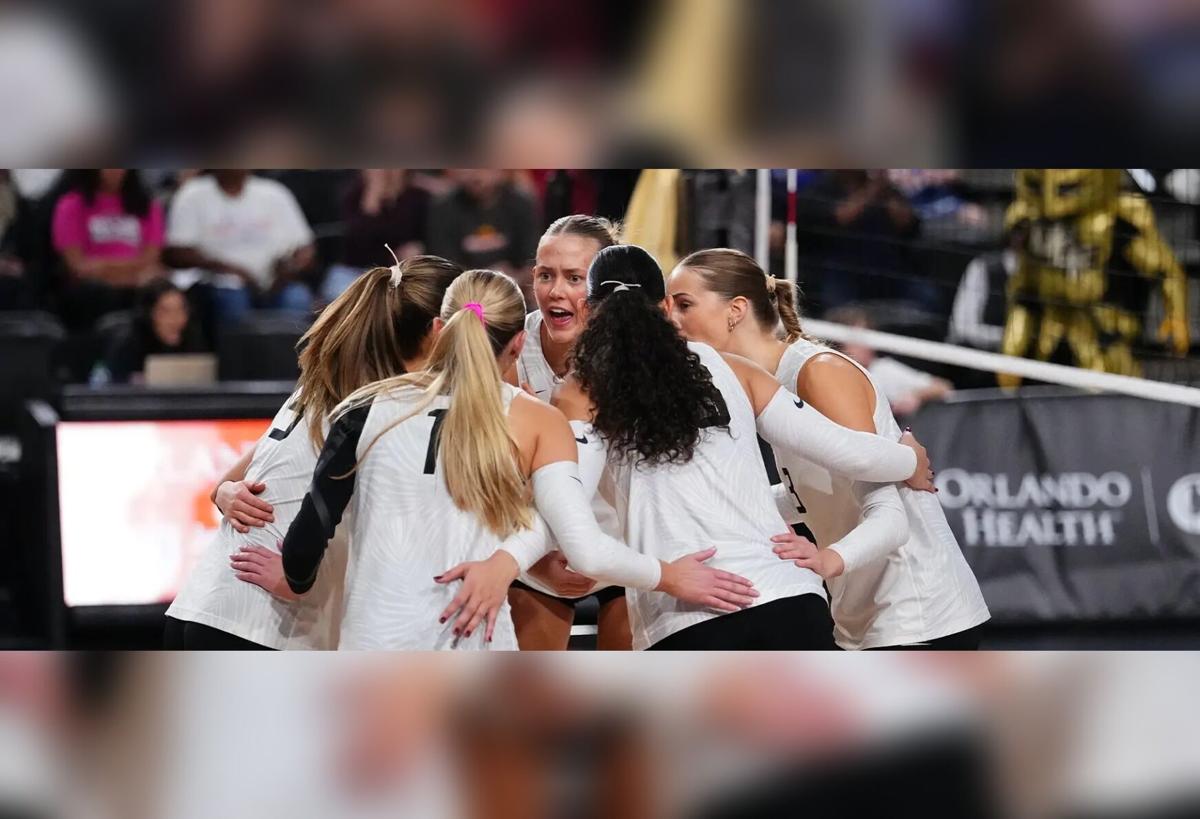
UCF had swept six straight opponents. Then Utah took a set off them in Orlando, and the Knights answered by winning the match anyway, 3-1.
The streak is over. The season is not. Selection Show is November 29, and UCF just showed it can win ugly, too.
The Sweep Streak Died, the Win Didn't
Here is what six straight sweeps does to a team. It makes everyone believe the sweep is the default setting.
Utah refused to play along. The Utes pulled one set away from UCF at The Venue, and for a stretch the home crowd got to find out what a real match feels like.
The data labels this a nail-biter, and I believe it. Close sets are where a team's real identity shows. UCF didn't blink. It won three sets and walked out with the result.
The form numbers fit. UCF came in 6-3 over the last 30 days. Utah came in 4-5. That gap showed up where it counts, on the scoreboard.
Natasha Casey Turned Up the Volume
If you want the reason UCF won, start with Natasha Casey. The opposite hitter finished with 14 kills, 4 aces, 6 digs and 2 blocks.
Read that line again. Attacking, serving, digging and blocking, all in one match. She was a one-woman checklist.
And this was no fluke. Casey had been averaging 11.0 kills over her last three matches, up from 7.7 before that. She was already climbing, and in this match she kept going.
The four aces matter just as much as the kills. Every ace is a point Utah never gets to fight for. Against a team that threw a big attacker at you all night, that's free oxygen.
The Front Line Built a Wall
Casey got the headline, but the net is where UCF kept Utah honest.
Ella Chapman went for 7 kills and 5 blocks. Sasha Cohen added 6 kills and 5 blocks. Kiki Horne chipped in 10 kills and 3 blocks. Setter Abby Schomers even got in on it with 4 blocks of her own.
That is the part people miss about a setter's night. Schomers ran the offense with 35 assists and an ace, and she still found time to rise up and stuff attackers at the net.
Horne's 10 kills also landed above her recent pace. She had been averaging 9.3 over her last three, down from 13.5. A decent bounce back, and UCF needed it.
Five blocks apiece from two middles means Utah's hitters kept seeing hands where they wanted open court. Over four sets, that wears on you.
Utah Had a Gibadlo Problem for UCF, and Not Enough Else
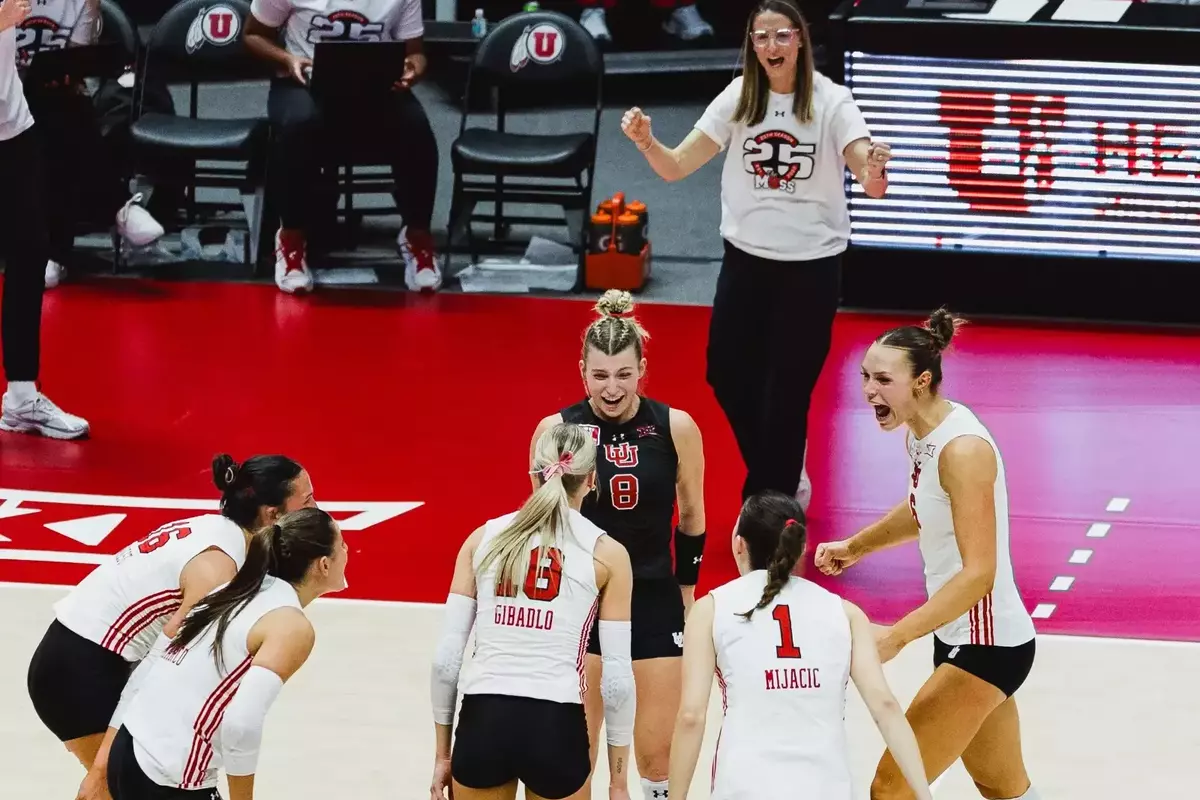
Don't think for a second that Utah was a pushover. Kamryn Gibadlo put up 15 kills, 9 digs and 2 blocks. She has averaged 15.8 kills a match over eight games, so this was her exactly where she lives.
Loryn Helgesen backed her with 12 kills, and middle Omonigho princess Atamah had 7 kills and 5 blocks. That is a real attack with real firepower.
Gibadlo is also the player who piled up 30 kills when Utah toppled No. 8 Arizona, a result that helped send the Wildcats into a four-match losing skid. She is not a name you want to see across the net in late November.
So why did Utah lose? Because UCF had more answers. Casey's 14 kills and 4 aces, plus a front line that kept making Utah's swings expensive, tilted the match.
What This Means for UCF
Here's the point. The big storyline right now is who survives the pressure when the postseason lights come on. Plenty of teams are limping in on skids. UCF isn't one of them.
Beating Utah 3-1 proves the Knights can win when the sweep isn't there. That is a different skill than rolling people, and it's the one that survives in a bracket.
Utah goes home having shown that Gibadlo's group can still hang with anybody, even in a loss. The Utes' 4-5 recent stretch looks a lot better with a match like this in the mix.
UCF, meanwhile, has one more thing to prove before Selection Show on November 29. Can Casey keep this pace when the opponent is better than Utah, and the sets don't get any easier?
The sweeps are done. Now we find out what the Knights are made of.