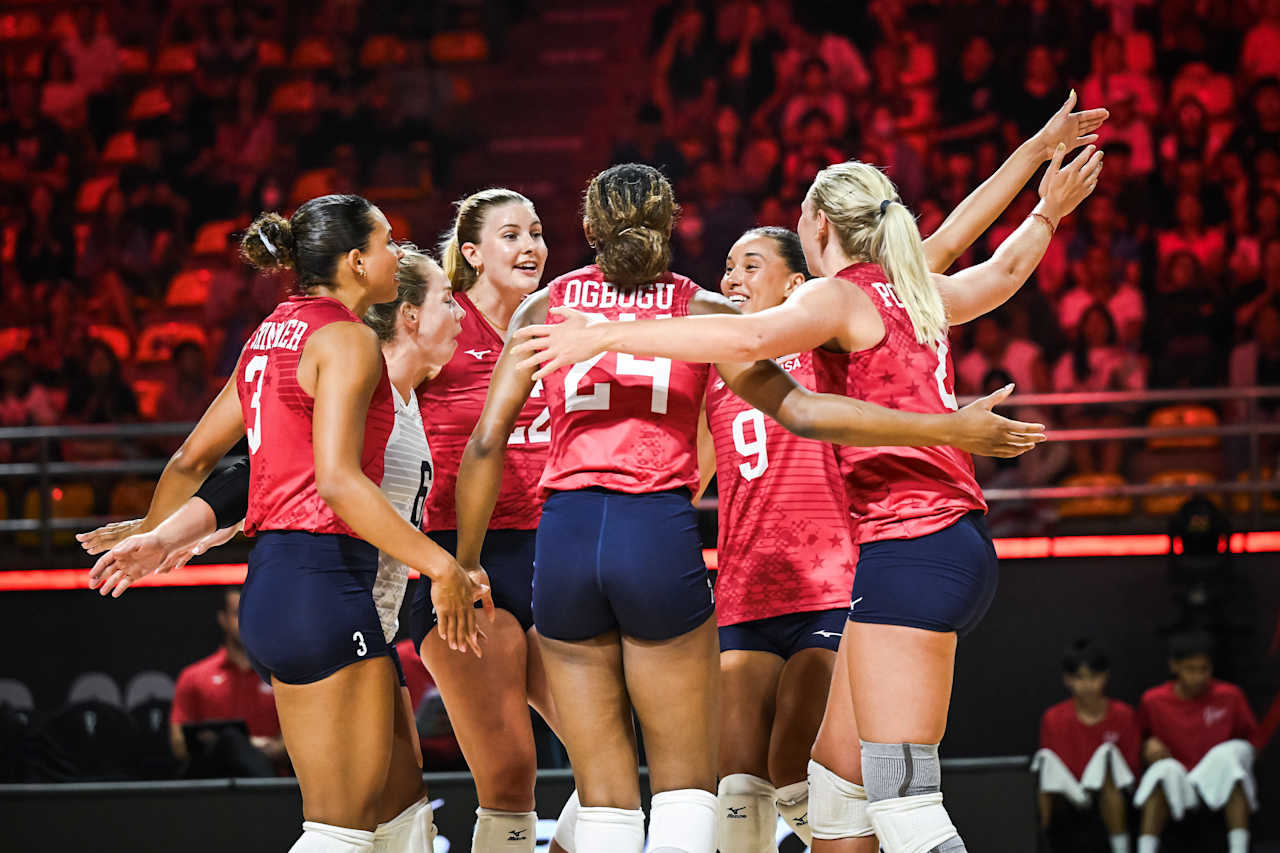
Volleyball is more than just a game of spikes and digs; it's a battle of strategy and psychology, where time-outs can be game-changers. But what exactly are these pauses, and why should you care? Let's dive into the world of time-outs and technical time-outs, and uncover the secrets behind these crucial moments.
What Are Time-Outs in Volleyball?
Time-outs in volleyball are like a coach's secret weapon for regrouping and strategizing. In international indoor volleyball under FIVB rules, each team gets two regular time-outs per set, lasting 30 seconds. These are called by the coach or team captain during dead balls. Simple, right? But don't be fooled, these 30 seconds can turn the tide of a match.
Common Misconception: Time-Outs Break Momentum
Many fans believe that time-outs are automatic momentum killers for the opposing team. While they can disrupt flow, studies show their impact varies. They're most effective during 2-4 point opponent runs in close matches, but less so when a team is already outmatched. Think of them as probabilistic tools, not guaranteed game-changers.
What Are Technical Time-Outs?
Why Do They Exist?
Technical time-outs (TTOs) are mandatory 60-second breaks in sets 1-4 when the leading team hits 8 and 16 points. They're not just for the players' benefit; they're strategically placed for TV broadcasts, allowing for analysis and commercial breaks. Think of them as the sport's way of saying, "Stay tuned!"